She Ethnic Group
Introduction
The She ethnic group, a recognized ethnic group in China, is known for its rich cultural heritage and distinct traditions. The She people predominantly reside in the southeastern regions of China, notably across the provinces of Fujian, Zhejiang, Jiangxi, and Guangdong. Their unique cultural practices, including traditional music, dance, and attire, reflect a deep-rooted history that continues to thrive through various festivals and cultural events. The She people have successfully preserved their cultural identity while also contributing to the diverse tapestry of China's ethnic landscape.
Geography and Distribution
The She ethnic group primarily inhabits the southeastern provinces of China, including Fujian, Zhejiang, Jiangxi, and Guangdong. Within these regions, they are often found in mountainous and rural areas, where they have traditionally engaged in agriculture and related activities. The landscape of these provinces, characterized by lush hills and fertile fields, has significantly influenced the She way of life, contributing to their practices in farming, handicrafts, and cultural expressions. The She population in Ningde, Fujian province, is notably significant, accounting for a substantial portion of the total She population in China.
Language and Writing
The She people speak their own language, but the She language does not have a written form, which poses challenges for its preservation and transmission to younger generations. Many She people have adopted Mandarin for everyday communication, particularly in educational and official contexts. Efforts are being made within She communities to teach the language orally to children, often by integrating it into traditional songs and cultural activities. This oral tradition plays a crucial role in maintaining the linguistic heritage of the She ethnic group.
Culture
The culture of the She ethnic group is vibrant and multifaceted, encompassing various aspects such as clothing, festivals, music, and dance. Their cultural practices are deeply intertwined with their daily lives and reflect their historical roots and social values.
Traditional Clothing
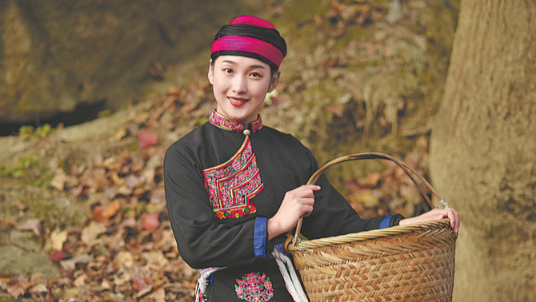
Traditional clothing of the She ethnic group is renowned for its intricate designs and symbolic meanings. The garments often feature embroidered images of the phoenix, a totem revered by the She people. The attire varies across different regions, with differences in fabrics, colors, shapes, patterns, and craftsmanship. The clothing is not only a reflection of aesthetic values but also serves as a means of expressing cultural identity and heritage.
Festivals
Festivals play a central role in the cultural life of the She ethnic group. These events are occasions for communal gatherings, religious ceremonies, and social celebrations. Traditional festivals often include activities such as bamboo dancing and the folk art of baizilong, where performers manipulate dragon puppets to form auspicious Chinese characters. These festivals serve as a platform for the She people to showcase their culture to a wider audience, attracting tourists and fostering cultural exchange.
Music and Dance
Music and dance are integral components of the She ethnic culture. Songs of the She people often narrate aspects of their daily lives, including agricultural work and social events. Dance performances are typically choreographed for significant occasions like weddings, religious rituals, and ancestor worship. The She Song and Dance Troupe is a notable entity dedicated to promoting She music and dance, emphasizing the importance of these art forms in preserving cultural heritage. Through such performances, the She people continue to pass down their traditions to future generations.
Economy
The economy of the She ethnic group is traditionally based on agriculture, with a focus on crops suited to the mountainous regions they inhabit. In recent years, tourism has emerged as a significant economic driver, leveraging the unique cultural heritage of the She people. Local initiatives, such as homestays, handicraft markets, and cultural festivals, have contributed to rural vitalization and economic development. The She communities have embraced tourism entrepreneurship, allowing them to showcase their culture while generating income and improving living standards.








